Biofuels and cleaner fuels
Cleaner fuels for engines already in use
Ships, aircraft, trucks and machinery still run on liquid fuel. The latest renewable fuels burn cleaner, and many are drop-in replacements that work in existing engines, pipelines and tanks.
Biodiesel (FAME)
Biodiesel
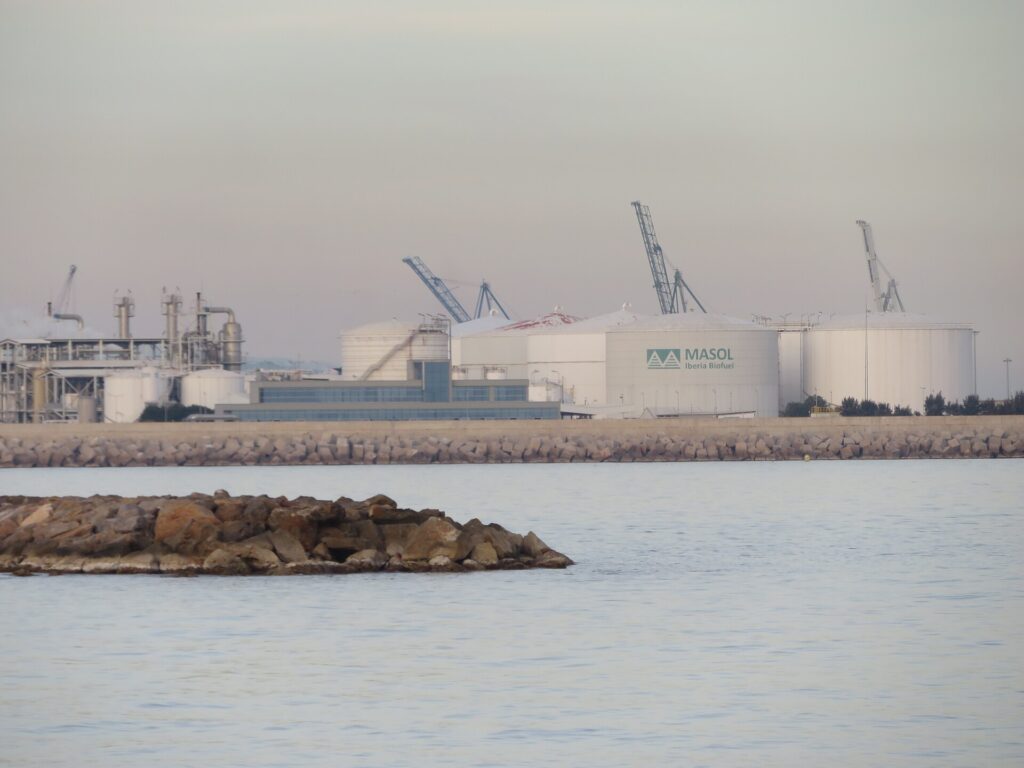
Biodiesel is made by transesterification: vegetable oils, used cooking oil or animal fats react with methanol to make fatty-acid methyl esters (FAME).
- Fuel quality is defined by ASTM D6751 in the US and EN 14214 in Europe.
- Blends from B5 to B20 are widely used in ordinary diesel engines, and B100 in engines approved for it.
- It contains virtually no sulphur and burns with less soot, for cleaner air in cities and workplaces.
RFC’s own history is in biodiesel: B100 produced in Kuantan, Malaysia.
Renewable diesel (HVO)
Renewable diesel
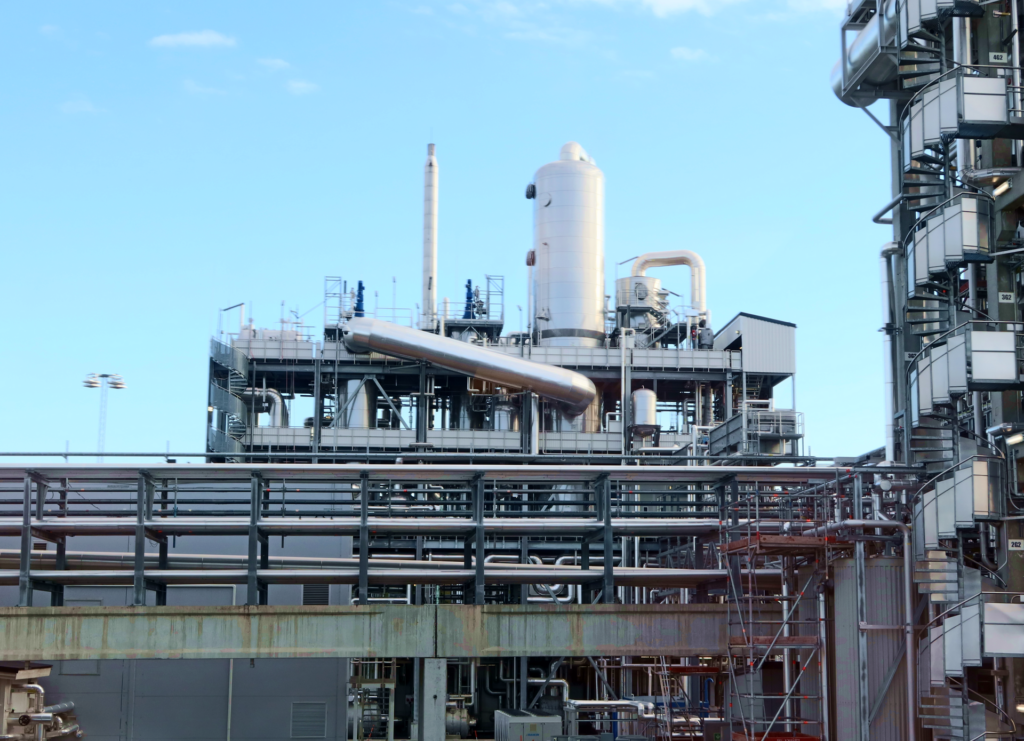
Renewable diesel, also called hydrotreated vegetable oil (HVO), is made by hydrotreating oils, fats and residues with hydrogen. The result is a paraffinic diesel that is chemically very close to petroleum diesel.
- A true drop-in fuel, meeting EN 15940 and ASTM D975, that can be used at up to 100% in approved engines.
- Very high cetane, with essentially no sulphur or aromatics, for cleaner combustion and lower particulates.
- Stores well and handles cold weather well, using the same tanks, pumps and pipelines as conventional diesel.
Aviation
Sustainable aviation fuel
Sustainable aviation fuel (SAF) is jet fuel made from renewable or waste feedstocks. ASTM D7566 certifies several production pathways, and the fuel may be blended up to 50% with conventional jet fuel. Once blended and certified, it is handled exactly like standard Jet A or Jet A-1.
Gas
Renewable natural gas
Biogas from farms, landfills and wastewater plants is upgraded to pipeline-quality methane. It is interchangeable with natural gas for heating, power and CNG/LNG vehicles, and it turns waste into a useful fuel.
Hydrogen
Renewable hydrogen
Electrolysers split water into hydrogen and oxygen using solar or hydroelectric power. Hydrogen fuels industry and fuel cells, and it is the building block for synthetic e-fuels.
Fuel from biomass
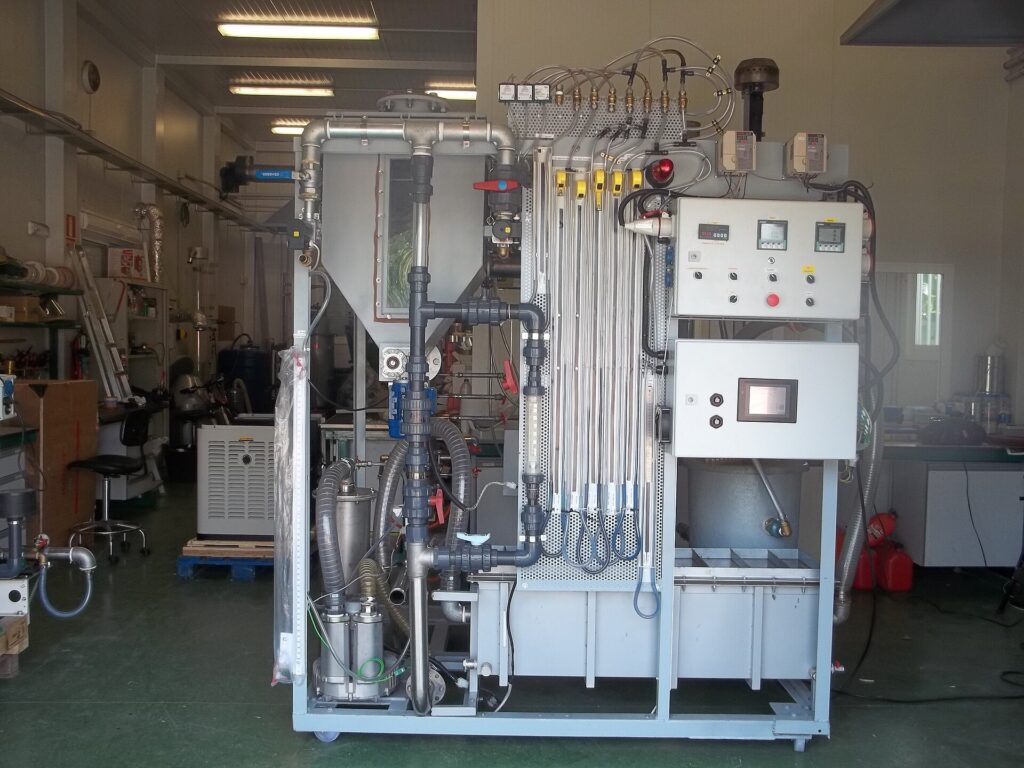
The engineering routes from biomass to fuel
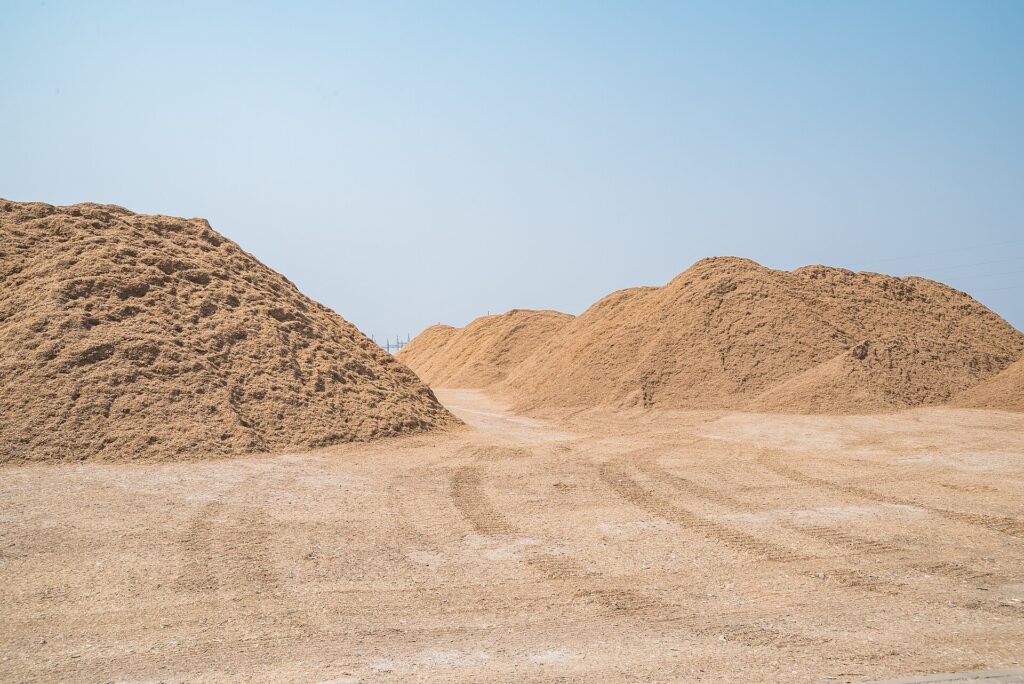
Wood residues, crop wastes, energy grasses, manure, used oils and algae can all become fuel. The right route depends on how wet the feedstock is, what it is made of, and which fuel the market needs.
Engineers group these routes into three families: thermochemical (heat and pressure), biochemical (microbes and enzymes) and chemical or catalytic (reactions with catalysts and hydrogen).
Thermochemical
- Gasification and Fischer-Tropsch: biomass is heated with limited oxygen to make syngas (carbon monoxide and hydrogen). The gas is cleaned and synthesised into diesel, jet fuel or methanol.
- Fast pyrolysis: biomass is heated quickly to about 500°C without oxygen, giving bio-oil, biochar and gas. The bio-oil is then upgraded by hydrotreating.
- Hydrothermal liquefaction: wet feedstocks such as algae, sewage sludge or food waste are processed in hot, pressurised water to make biocrude, with no drying step.
- Torrefaction: mild roasting at 200 to 300°C turns biomass into a dense solid fuel that stores, transports and grinds easily.
Biochemical
- Anaerobic digestion: microbes break down manure, food waste and sludge into biogas, which is upgraded to renewable natural gas.
- Fermentation: yeasts turn sugars and starches into ethanol or butanol.
- Cellulosic conversion: pretreatment and enzymes unlock the sugars in straw, stalks and wood, which are then fermented.
- Alcohol-to-jet: ethanol or isobutanol is dehydrated, joined into longer chains and hydrogenated to make jet fuel.
Chemical and catalytic
- Transesterification: oils and fats react with methanol to make biodiesel (FAME).
- Hydroprocessing (HEFA): oils and fats are treated with hydrogen to make renewable diesel and sustainable aviation fuel.
- Refinery co-processing: bio-oils and fats are fed alongside conventional streams in existing refinery units.
- Catalytic upgrading: pyrolysis oils and biocrudes are refined into finished fuels.

At a glance
Latest clean-fuel technologies
| Fuel | Feedstock | Process | Where it is used |
|---|---|---|---|
| Biodiesel (FAME) | Vegetable oils, used cooking oil, animal fats | Transesterification | Diesel blends B5 to B100, heating oil |
| Renewable diesel (HVO) | Oils, fats, processing residues | Hydrotreating | Drop-in diesel up to 100% |
| Sustainable aviation fuel | Oils and fats; ethanol or butanol; biomass and wastes | HEFA hydroprocessing; alcohol-to-jet; gasification and Fischer-Tropsch | Jet fuel blends up to 50% |
| Renewable natural gas | Biogas from farms, landfills, wastewater | Anaerobic digestion and upgrading | Pipeline gas, CNG and LNG vehicles |
| Cellulosic ethanol | Crop residues, wood waste, energy grasses | Enzymatic hydrolysis and fermentation | Gasoline blends |
| Renewable hydrogen | Water, with solar or hydro power | Electrolysis (PEM, alkaline, solid oxide) | Industry, fuel cells, e-fuel production |
| E-fuels and renewable methanol | Renewable hydrogen and recycled carbon | Methanol or Fischer-Tropsch synthesis | Shipping, aviation, chemicals |
| Pyrolysis and HTL fuels | Wood residues, crop wastes, sludge, algae | Fast pyrolysis or hydrothermal liquefaction, then hydrotreating | Marine fuel, refinery feed, upgraded diesel and jet |
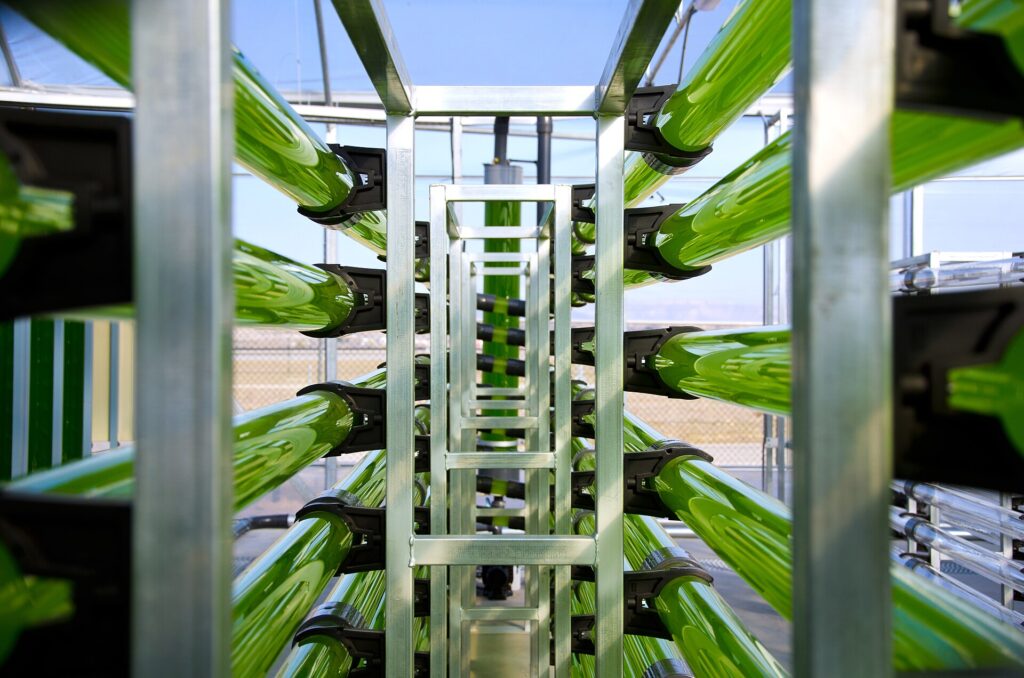
| Algae fuels | Microalgae | Cultivation in ponds or photobioreactors, then oil extraction | Research and pilot scale |
Feedstock
Feedstock matters
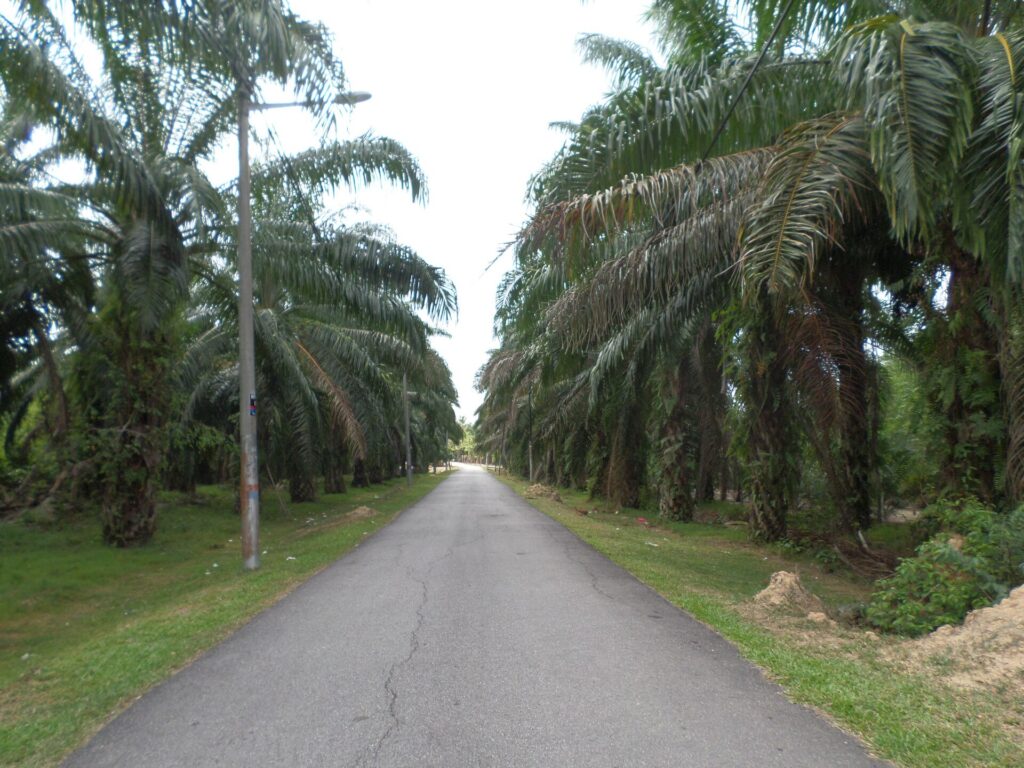
A clean fuel starts with a responsible feedstock. The strongest projects use wastes and residues, such as used cooking oil, palm processing residues and agricultural by-products, and draw on certified, traceable supply chains.
Southeast Asia is one of the world’s great sources of renewable oils and biomass, and RFC has worked in the region for more than a decade.
Photo: AlgaEnergy, CC BY-SA 4.0; Juan Emilio Prades Bel, CC BY 4.0; Taylor, CC BY-SA 4.0; GIZ Bush Control and Biomass Utilisation Project, CC BY-SA 4.0; Carvarsa, CC BY-SA 4.0; Chongkian, CC BY-SA 4.0 (Wikimedia Commons).


