Clean energy
Power from the sun, water and the earth
Solar photovoltaics, concentrated solar power, hydroelectric and geothermal generation are proven, long-life ways to produce clean electricity.
Solar PV
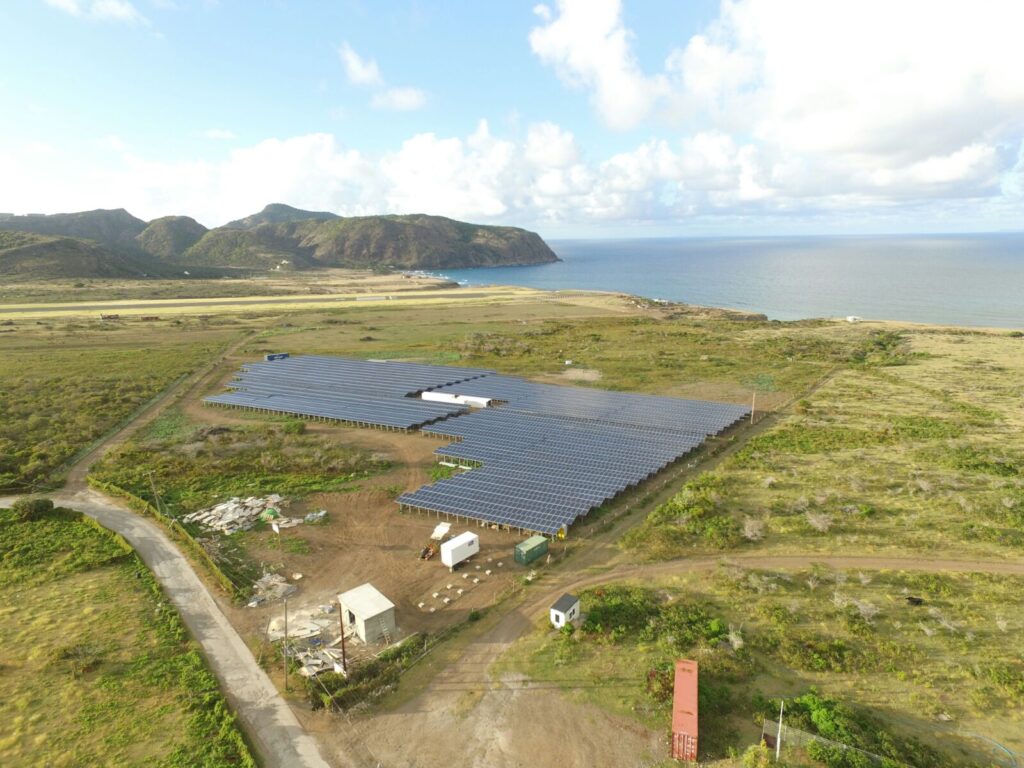
Solar photovoltaics
Solar panels convert sunlight directly into electricity. They have no moving parts, need little maintenance and can be built at any scale, from a rooftop to a large solar park.
- Single-axis trackers turn the panels to follow the sun through the day and raise output.
- Bifacial modules also capture light reflected onto their rear face.
- Battery storage moves solar output into the evening peak.
- Commercial and industrial rooftops produce power right where it is used.
CSP
Concentrated solar power
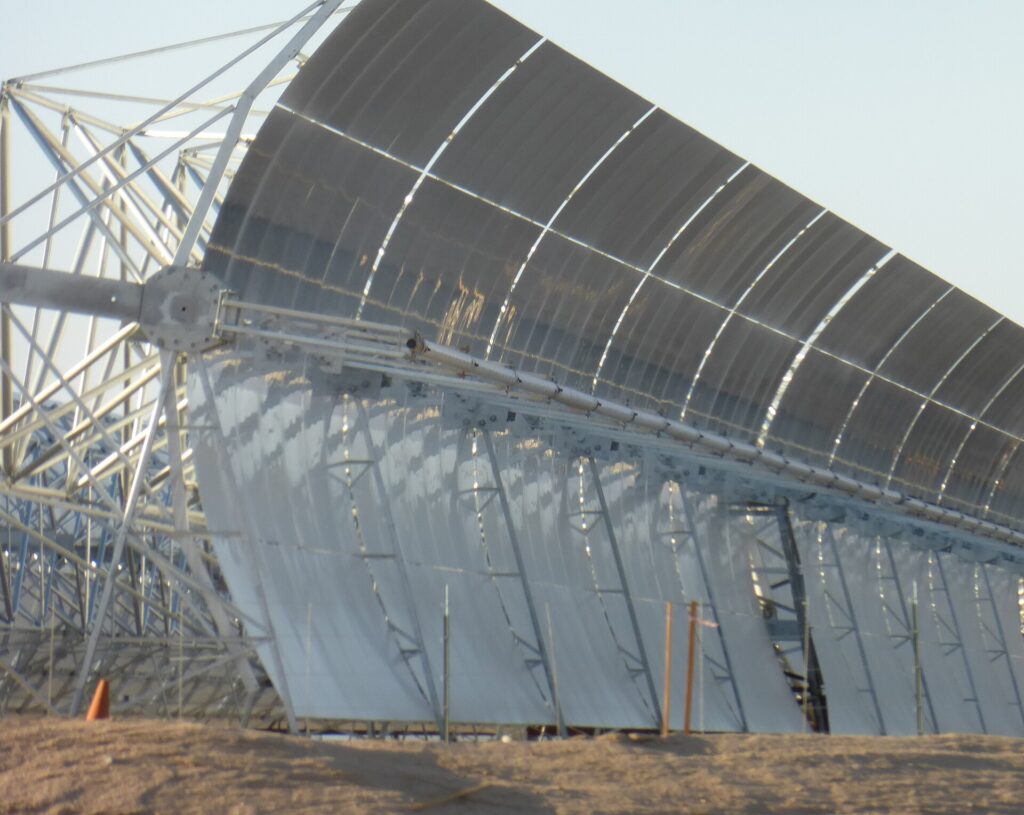
Concentrated solar power (CSP) uses mirrors to focus sunlight and heat a fluid. The heat raises steam, and the steam drives a turbine, just as in a conventional power station.
CSP’s great advantage is thermal storage. Heat kept in tanks of molten salt can generate electricity for hours after sunset, so a CSP plant can supply firm power on demand.
- Power tower: thousands of sun-tracking mirrors (heliostats) aim at a receiver on a central tower. Spain’s Gemasolar plant has 15 hours of molten-salt storage.
- Parabolic trough: rows of curved mirrors heat fluid in a pipe running along their focal line. This is the most widely deployed CSP design.
- Linear Fresnel: long, flat mirror strips focus light onto a fixed receiver at low cost.
In 2017 RFC announced its plan for a 288 MW CSP plant in New South Wales, Australia, through RFC Resources Pty Ltd.

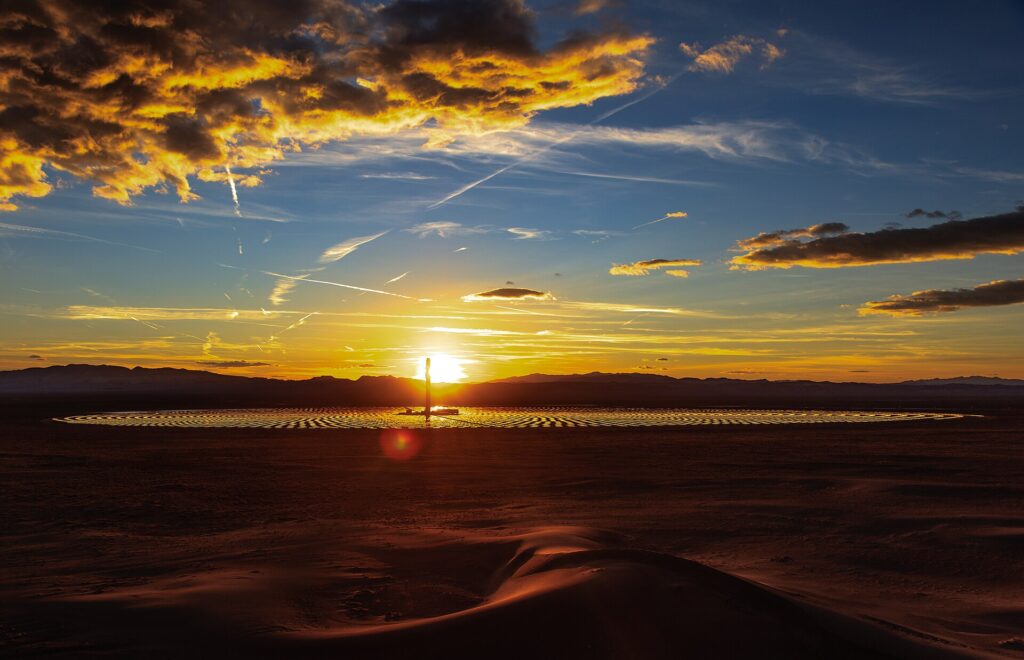
.jpg)
Hydroelectric
Hydroelectric power
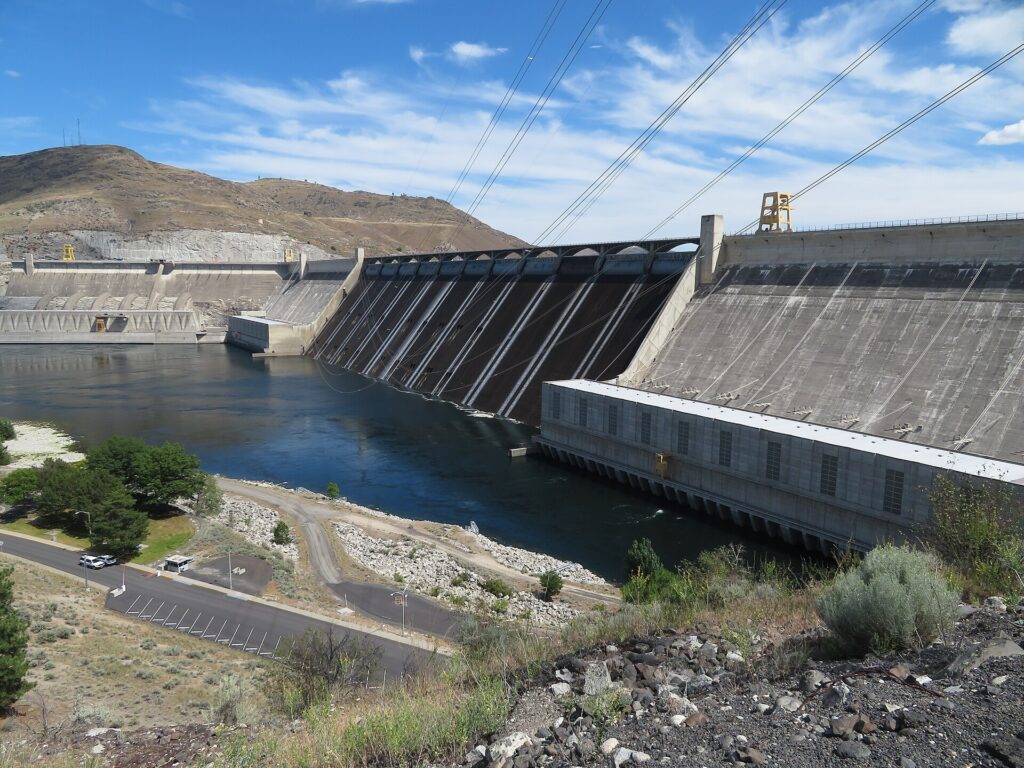
Hydroelectric plants turn the energy of flowing water into electricity. They run for many decades and can respond to demand within minutes.
- Reservoir hydro stores water behind a dam and releases it when power is needed.
- Run-of-river plants use a river’s natural flow with little or no storage.
- Pumped-storage hydro pumps water uphill when power is plentiful and releases it at peak times. It is the largest form of grid energy storage in the world.
- Modernisation: new turbines and controls at existing dams produce more power from the same water.
Pictured: Grand Coulee Dam, the largest power station in the United States.
Geothermal
Geothermal power
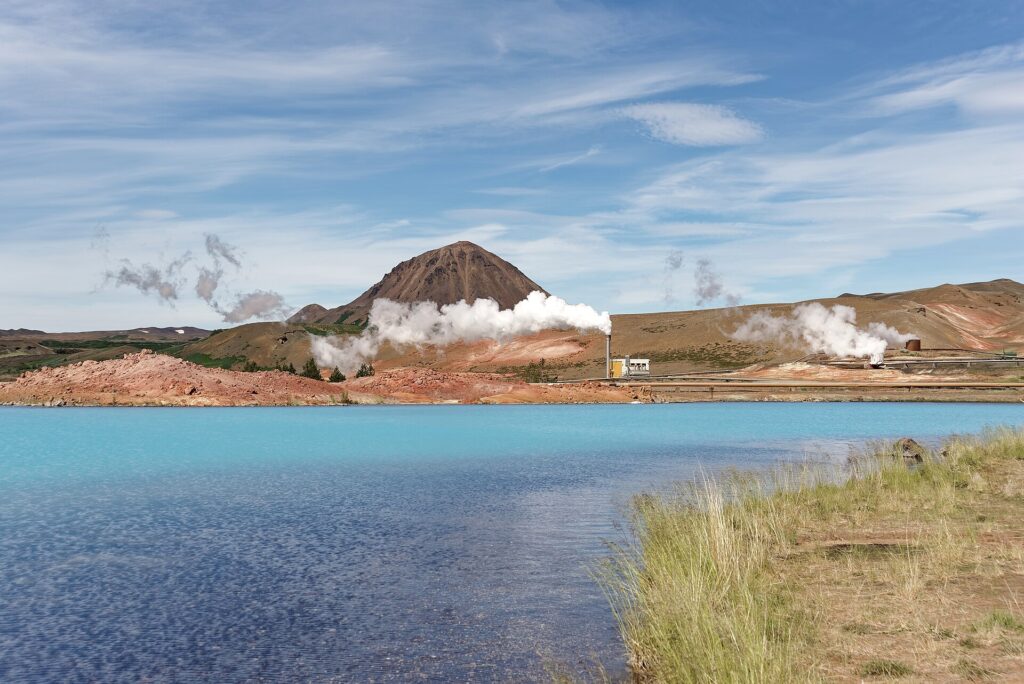
Geothermal plants use heat from deep underground to raise steam and drive turbines. They run day and night in any weather, which makes them one of the steadiest sources of clean energy.
- Dry steam: steam from the reservoir goes straight to the turbine.
- Flash steam: hot, high-pressure water flashes into steam as the pressure drops. This is the most common type of plant.
- Binary cycle: moderately hot water heats a second fluid with a lower boiling point in a closed loop (Organic Rankine Cycle). This opens up many more sites.
- Enhanced geothermal systems: engineered reservoirs in hot rock, using drilling techniques proven in the oil and gas industry.
- Direct use: heat for district heating, greenhouses, food drying and industrial processes.
Pictured: Bjarnarflag geothermal station, Iceland.
How RFC helps
Assess
Site, resource and grid-connection review, and technology options.
Structure
Partners, permits, offtake and project finance.
Engineer
Coordination of design, procurement and construction.
Operate
Commissioning support and long-term performance.
Photo: Murray Foubister, CC BY-SA 2.0; RobertKennesy, CC BY-SA 4.0; Z22, CC BY-SA 3.0; Murray Foubister, CC BY-SA 2.0; Ken Lund, CC BY-SA 2.0; Jakub Hałun, CC BY 4.0 (Wikimedia Commons).
.jpg)


